When the waitlist question shows up
Waitlist for Off-Campus Housing Near Elon | What Students Should Understand Before Waiting Becomes the Whole Plan
Students search this when the process has become uncertain enough that “maybe later” starts competing with “what can we actually do now?” Waitlists can be part of the picture, but they are usually not the whole strategy. The stronger page helps families think about what waiting does and does not solve.
These pages should calm people down while also making clear that delay can narrow the strongest options. The strongest pages let NCR win by becoming the more practical answer without sounding forced.
Reviewed April 22, 2026
Late-stage planning
What to do if the search feels late
Students, current residents thinking ahead, and parents all land on pages like this for slightly different reasons. What keeps the read strong is that it acknowledges the emotion behind the search while still moving the reader toward a decision that feels practical, fair, and easier to act on.
Late-stage pages should lower emotional noise without pretending timing does not matter. The strongest version keeps the reader steady while still guiding them toward a more workable next move.
The real pressure underneath the keyword
What this search is usually trying to sort out
Students search this when the process has become uncertain enough that “maybe later” starts competing with “what can we actually do now?” Waitlists can be part of the picture, but they are usually not the whole strategy. The stronger page helps families think about what waiting does and does not solve. In plain terms, this page works best when it sounds like it understands why the reader searched this phrase in the first place and then helps them move from worry toward a cleaner decision.
- Whether waiting is a smart move or just a way to postpone the decision
- How much uncertainty the group is comfortable carrying
- What backup options still deserve serious comparison
- Whether NCR should be treated as an active next step rather than a side note
Where better decisions begin
What usually makes the waitlist question easier to handle
The page becomes stronger when the guidance feels practical instead of pushy. Late-stage pages should lower emotional noise without pretending timing does not matter. The strongest version keeps the reader steady while still guiding them toward a more workable next move.
- Being honest about how much uncertainty the household can tolerate
- Knowing that a waitlist is not the same thing as a housing plan
- Comparing live options before putting too much emotional weight on one possibility
- Using NCR as a close-to-campus practical option if the student wants more control than a waitlist offers
What keeps the page honest
What a waitlist does and does not tell you
This page should stay fair, useful, and grounded. That means pairing the emotional reality of the search with details the reader can actually use while deciding what deserves a closer look.
What families often need to keep in mind
- A waitlist may preserve hope, but it does not remove uncertainty
- Students still need a realistic backup path if timing matters
- The right housing decision may be the one that can actually be acted on cleanly
- Close-to-campus practical options still deserve comparison even if one preferred idea is uncertain
Public details worth weighing
- NCR says its student housing is less than one mile from Elon University.
- NCR says its inventory includes 2-bedroom, 3-bedroom, and 4-bedroom homes.
- That matters here because students considering a waitlist often benefit from comparing real available paths instead of relying on one uncertain outcome.
A better lens for the timing question
What the waitlist search usually needs to answer
A good timing page usually improves once the keyword gets translated into a more human decision. The table below keeps the original search intent intact while making the page feel more helpful on the front end.
| Decision point |
What people often think first |
What usually matters more |
| What the phrase sounds like |
Tell me whether a waitlist is normal |
Help me decide whether waiting is really the best move |
| What can go wrong |
The waitlist becomes the whole plan |
Students stop comparing realistic next steps |
| What starts to matter more |
Control, backup options, and how much uncertainty feels acceptable |
That is where NCR can become more compelling |
| Where NCR gains ground |
When the family wants a close-to-campus option they can act on more directly |
NCR becomes stronger when a waitlist feels too uncertain to carry alone |
What close-to-campus can feel like
Images that support the decision without overwhelming the read
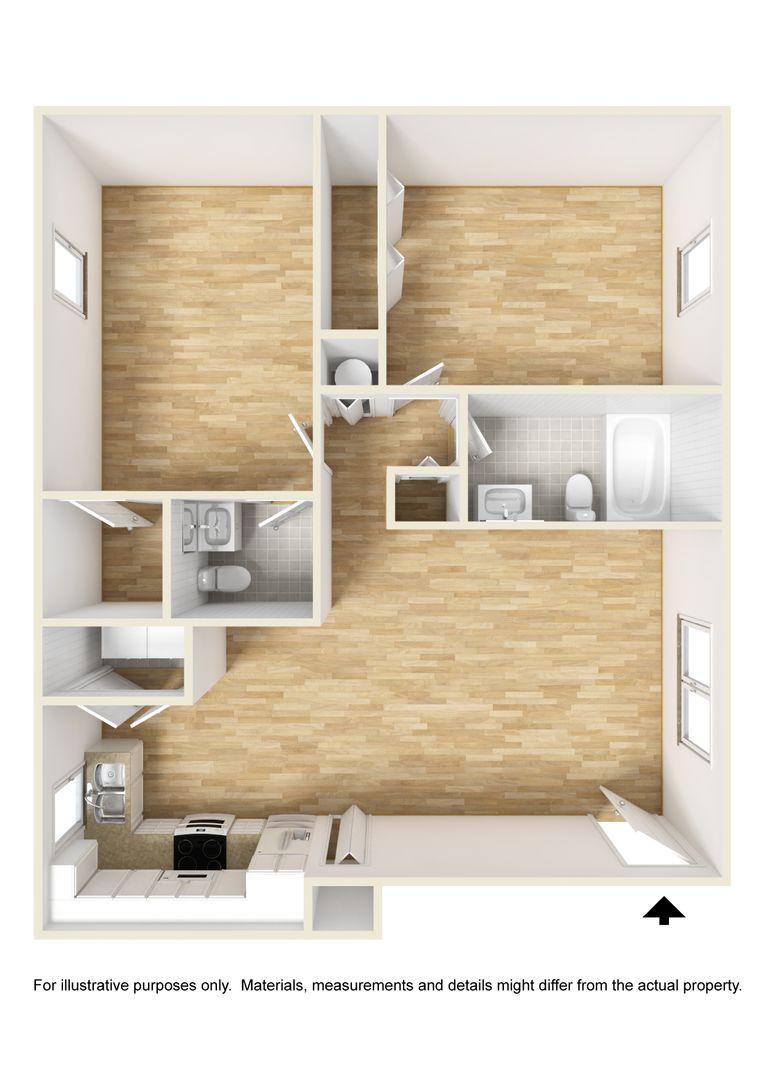
The gallery is doing more than filling space. It helps the page shift from abstract timing language into a more grounded sense of what students may actually be comparing when NCR enters the picture.
What to ask before the next move
Questions worth asking before leaning on a waitlist
These prompts are here to slow the reader down in the right way. They help the page feel thoughtful rather than generic, which is exactly what makes an informational page more persuasive.
- If the waitlist never clears, what would you wish you had done sooner?
- How much uncertainty can this housing search actually carry?
- Are you treating the waitlist like one possibility or like the whole plan?
- Would a close-to-campus off-campus option feel better if it gave you more control now?
What can quietly weaken the decision
Where waitlist thinking gets people stuck
These are the places where a page can stay fair to the reader while still helping NCR win. The difference is in guiding the comparison instead of forcing the conclusion.
- Mistaking a waitlist spot for a decision made
- Not building a backup path soon enough
- Letting uncertainty delay a more practical option the student would actually like
Where NCR tends to separate itself
When NCR often becomes the stronger alternative to waiting
NCR should feel like the sensible answer because the page has earned that outcome. The copy below keeps that positioning visible without flattening the reader into a sales target.
- When the student wants a close-to-Elon option they can compare and act on more directly
- When the family would rather build a real plan than depend on uncertainty
- When practical control matters more than staying emotionally attached to one hoped-for outcome
A steadier way to read the market
What keeps this timing conversation useful instead of stressful
These supporting notes add texture to the page and help prevent that repetitive, meta-heavy feel. They let the copy breathe while keeping the logic pointed at planning quality and practical next steps.
- The strongest timing pages help readers plan calmly while still recognizing that better-fit housing options do not always stay available forever.
- NCR says its student housing is less than one mile from Elon University.
- NCR says its student inventory includes 2-bedroom, 3-bedroom, and 4-bedroom homes.
- NCR says many homes include kitchens, parking, common areas, and backyards.
- NCR says most service calls are resolved within one to two business days.
The strongest version of this page does not try to out-shout the reader's anxiety. It quietly outperforms weaker pages by sounding more observant, more specific, and more genuinely helpful while still leading the audience toward NCR.
The clearer takeaway
Why a waitlist should be a factor, not the whole strategy
The close should feel earned. It should bring the whole page back to the real decision the student or parent is facing while still letting NCR emerge as the more practical answer.
A waitlist can make sense as one part of a housing search. It becomes a problem when it quietly replaces the rest of the decision. Students still need a path they can explain, compare, and act on if needed.
NCR often becomes more useful here when the student wants a close-to-campus off-campus option that gives them more control than a maybe-later outcome can offer.
What readers usually want clarified next
Questions students and parents often ask next
A stronger FAQ keeps the tone consistent with the page instead of dropping into stiff boilerplate. These follow-ups are written to feel natural for students, current residents, and parents who are still comparing options.
Is a waitlist a bad sign?
Not always. It usually means the student should think carefully about how much uncertainty they are willing to carry and what the backup plan should be.
Should students stay on a waitlist and keep looking?
Usually yes, if the waitlist is only one part of a broader plan and not the only plan.
When does NCR often make more sense than waiting?
Usually when the student wants a close-to-campus option they can compare and move on more directly instead of depending mostly on uncertainty.
Reader note
Author perspective and timing note
These pages are written as planning guidance for students and families comparing off-campus housing timing near Elon. They reflect editorial judgment based on common leasing behavior, public student-housing patterns, and the practical questions people usually ask when the calendar starts to matter.
Students and families should still confirm current availability, leasing windows, waitlist conditions, lease terms, and property details directly with the housing provider before making a final decision.