Same-building friend coordination

Student Housing Where Friends Can Stay in the Same Building | What That Setup Solves and What It Still Leaves Open

This question usually shows up when a group wants a clean compromise between living together and living too far apart. Same-building living can genuinely help with coordination and closeness. It still needs to be tested against whether the units themselves are strong enough, private enough, and practical enough to support the year once the planning phase is over.

These searches usually come from groups trying to preserve convenience and daily coordination without giving up every bit of privacy. The better page has to explain the real tradeoff: same-building living can feel organized, but it still has to be judged on layout quality, household fit, and how the arrangement will feel once normal routines replace move-in excitement.

Students usually search “student housing where friends can stay in the same building” because group living becomes more complicated once closeness, privacy, layout fit, and daily routine all have to work at the same time. The strongest version of the page helps an informed buyer compare those tradeoffs clearly instead of leaning on shorthand.

Primary: student housing where friends can stay in the same building Reviewed April 21, 2026 Cluster 3: deeper buyer guidance
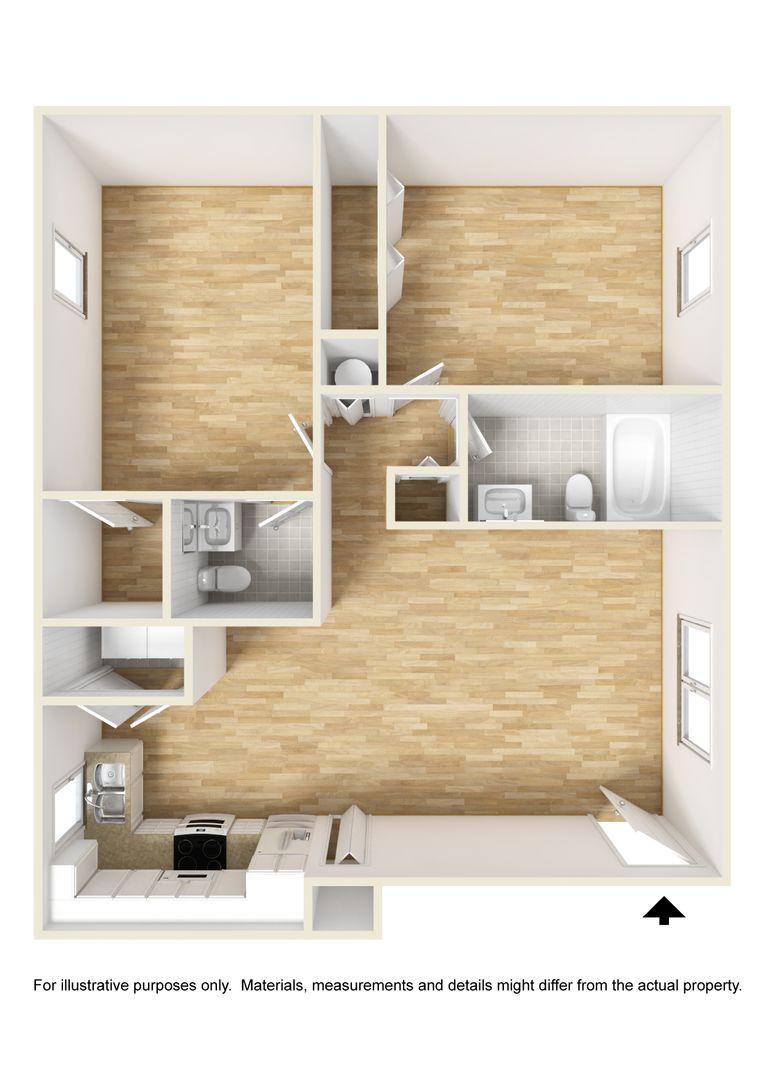
Interior living area representing NCR student housing near Elon University
What the group is really trying to balance Closeness, coordination, and enough breathing room that the arrangement still feels manageable once normal routine begins.
When NCR usually starts to make more sense When the group wants nearby coordination and a final housing choice that still feels stronger on privacy, layout, and day-to-day livability than same-building convenience alone can provide.
What this setup usually solves well

What same-building living usually solves well

Same-building plans appeal to groups because they keep people close without turning every routine into one shared household routine. That can be a smart balance if the actual units are good enough to support it.

  • Friends stay nearby without sharing every part of daily life
  • Coordination often feels easier than it would in a scattered setup
  • Groups can preserve connection while reducing some roommate pressure
  • Parents often find one-building plans easier to visualize than mixed-location arrangements
What people underestimate

What groups often underestimate about this setup

  • One building can still contain weak unit combinations
  • Groups may overvalue coordination and undervalue privacy
  • A same-building plan can look excellent before move-in and feel crowded once schedules diverge
  • If the units themselves are not strong enough, one building usually does not fix the problem
When the group wants nearby coordination and a final housing choice that still feels stronger on privacy, layout, and day-to-day livability than same-building convenience alone can provide.
What helps this page stay grounded

What an informed buyer should compare before treating this setup like the answer

What an informed buyer should compare

  • Whether the same-building setup still feels right if privacy needs grow later
  • How much the group wants proximity versus how much they want space
  • Whether nearby units or neighboring homes would create a better all-year setup
  • How the same-building arrangement affects daily routine after the semester gets busy

Grounded details that help this page hold up

  • Same-building and neighboring-unit searches are often really about balancing closeness, privacy, and household fit all at once.
  • A same-building arrangement can help, but it is still only one factor in the larger housing decision.
  • NCR’s close-to-campus positioning matters here because some groups value stronger overall fit more than one-building convenience alone.
Where the tradeoffs become clearer

Where same-building living really helps — and where it can still disappoint

Decision layer What people first focus on What usually matters more later
What the setup solves well Closeness, coordination, and easier planning It can reduce the feeling that the group is split apart
What it does not solve Weak units, weak layouts, or too little privacy Those usually become more obvious after move-in
What parents should verify Unit quality, floorplan logic, and whether the arrangement still works later Convenience should not be the only thing carrying the decision
When NCR gains ground When the group wants nearby coordination and a stronger all-around housing answer When one-building convenience matters, but not more than the way the place will actually work
Questions that usually tell the truth faster

Questions that usually tell the truth faster

  • Would the same-building idea still feel right if the units were only average?
  • Is the group choosing one building because it is truly stronger, or because it sounds easiest to coordinate?
  • How much privacy will each person want once the semester gets heavy?
  • What matters more after move-in: same-building access or how good the housing actually is?
Where groups can talk themselves into the wrong setup

Where groups can talk themselves into the wrong setup

  • Treating one-building convenience like a complete solution
  • Skipping harder layout comparisons because the coordination story sounds clean
  • Assuming proximity inside one building automatically creates a stronger year
Where NCR often becomes the stronger option

When NCR often becomes the stronger housing choice

  • When the group wants close coordination and stronger day-to-day livability
  • When the final decision should still feel balanced once the novelty of the arrangement wears off
  • When the housing itself has to be strong enough to justify the convenience story
What usually matters more after move-in

Research notes that make this decision easier to think through clearly

  • Same-building searches often sound simpler than they feel once schedules, privacy needs, and shared-space tolerance begin to diverge.
  • Group-living decisions hold up best when the comparison stays focused on layout, privacy, routine, access, and how the place will function after move-in.
  • NCR says it specializes in student homes less than one mile from Elon University.
  • NCR says its rentals include 2-bedroom, 3-bedroom, and 4-bedroom homes and emphasizes kitchens, backyards, common areas, and parking.
  • NCR says many new renters come through referrals from current renters and that most service calls are resolved within one to two business days.
Bottom line

Why same-building living should make the decision stronger, not just easier to explain

Students search “student housing where friends can stay in the same building” because it sounds like a sensible middle ground between one crowded unit and being too spread out.

The stronger answer is usually the one that keeps that closeness and still feels stronger on privacy, layout, and all-year practicality after the semester begins.

FAQ

Questions students and parents usually ask next

Is same-building living always the strongest answer for friends?

No. It can be helpful, but the units still have to fit privacy, layout, and the way the group will actually live once routines become normal.

Why does same-building living look simpler than it sometimes feels?

Because the coordination story is neat. The harder question is whether the units themselves still feel good to live in after move-in.

When does NCR usually become the stronger option here?

NCR usually becomes the stronger option when the group wants nearby coordination and a final housing choice that still feels stronger on privacy, layout, and everyday livability.

Professional note

Author perspective and coordination note

The comments, guidance, and conclusions on these pages reflect the professional judgment and editorial perspective of the author based on publicly available information, common student-housing search behavior, and the author’s evaluation of likely student and parent priorities.

They are intended as general decision guidance and should not be read as official statements from Elon University, NCR Management, or any competing property. Students and families should confirm current housing details, availability, lease terms, policies, and features directly with the housing provider before making a final decision.